
Heirs Have Options and Protections, but the Clock Starts Quickly After the Last Borrower Dies
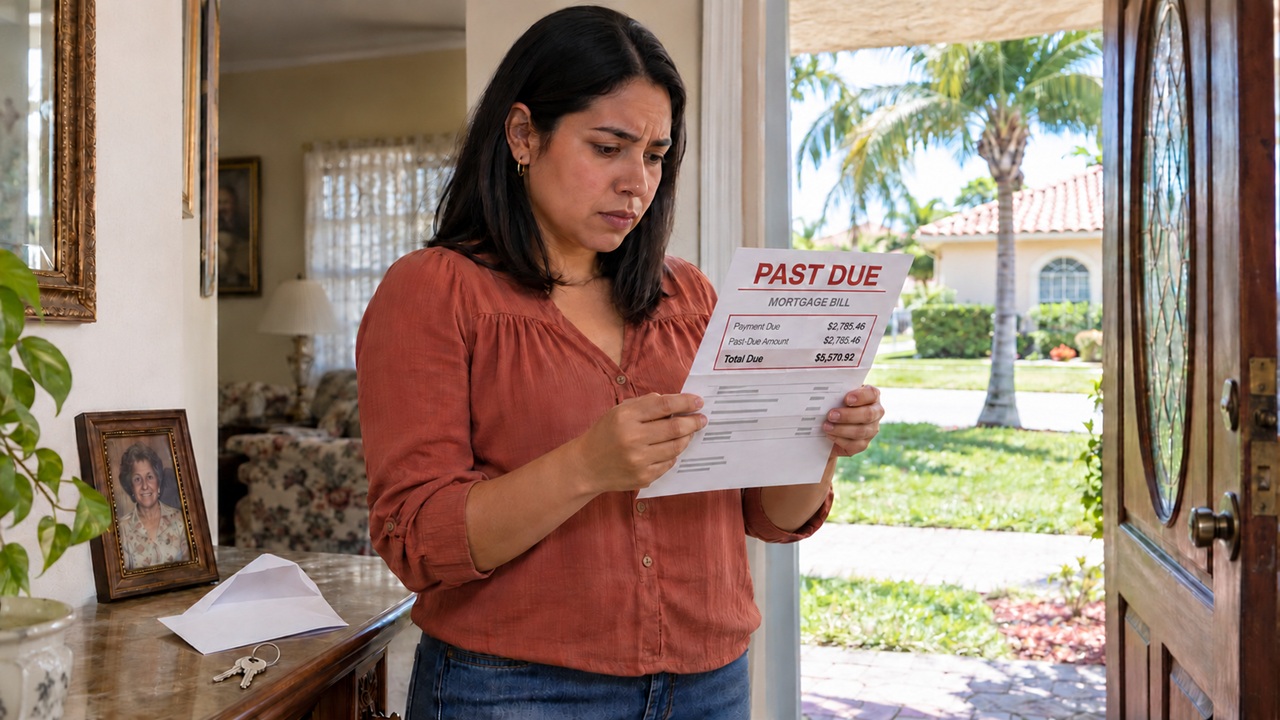
Reverse mortgages in Florida are a common way for retirees to stay in their homes while tapping into their equity. Many South Florida families don't learn the details of a parent's reverse mortgage until after that parent dies. That's when a letter from the loan servicer arrives, often with a short deadline.
The loan comes due once the last borrower dies, and the lender expects a quick response. The good news is that heirs aren't personally stuck with the debt. They often have more options than they realize, including keeping the home.
Moving quickly and knowing the rules can protect the family's interests. Bringing in a Boca Raton probate attorney early gives heirs help answering the servicer, settling the estate, and deciding whether to keep or sell the home.
|
Reverse Mortgage Basics for Heirs
|
How a Reverse Mortgage Works
A reverse mortgage lets homeowners 62 and older borrow against their home equity without making monthly mortgage payments. Instead, the loan balance grows over time as interest and fees are added. The loan is repaid later, usually when the home is sold.
Most reverse mortgages are Home Equity Conversion Mortgages, or HECMs, insured by the Federal Housing Administration (FHA). These loans follow rules set by the U.S. Department of Housing and Urban Development (HUD). Some private "jumbo" reverse mortgages exist for higher-value homes, and they may have different terms.
The borrower must keep up with property taxes, homeowners insurance, and basic maintenance while living in the home. Those obligations matter after death, too, because unpaid bills can complicate the process for heirs.
What Happens When the Last Borrower Dies
When the last borrower dies, the reverse mortgage becomes due and payable. The servicer will typically send a notice to the estate or heirs explaining what's owed and what options are available.
The key phrase is "last borrower." A spouse who was also a borrower can generally stay in the home with the loan in place. A spouse who wasn't a borrower may still qualify to stay under HUD's rules for eligible non-borrowing spouses. That depends on when the loan was made and how it was set up.
Even after death, property taxes, insurance, and upkeep still need to be covered. Letting insurance lapse or taxes go unpaid can create additional problems for the estate. Someone should take charge of these bills right away.
How Much Time Heirs Have
Time moves quickly once the loan comes due. According to HUD's guide for heirs, heirs generally have 30 days to tell the servicer what they plan to do. They may choose to pay off the loan, sell the home, or turn it over to the lender.
Heirs then generally have up to six months to complete a sale or payoff. Heirs actively working to sell or refinance may get up to two 90-day extensions from HUD. That can stretch the total time to about a year, but extensions aren't automatic and require documentation.
Waiting carries real costs. Interest keeps adding to the loan balance every month. If heirs don't respond, the servicer can begin foreclosure, sometimes within a few months of the borrower's death.
Keeping the Home and the 95% Rule
Many families want to keep a parent's home. With a HECM, heirs can generally keep the home by paying the lesser of two amounts. One is the loan balance, and the other is 95% of the home's current appraised value. That rule can make a big difference when the loan balance has grown larger than the home's value.
Here's a simple example. Say a parent's reverse mortgage balance is $400,000, but the home appraises at $350,000. Ninety-five percent of $350,000 is $332,500. In that case, the heirs could generally keep the home by paying $332,500 rather than the full $400,000.
Heirs often pay through a new mortgage in their own name, savings, or other estate assets. The appraisal is a key part of this process. Asking the servicer about the appraisal early helps heirs know their numbers before deadlines close in.
Heirs' Options After the Last Borrower Dies
Every family's situation is different. Here's an overview of the most common choices heirs face.
| Option | What It Means | Things to Consider |
|---|---|---|
| Keep the Home | Pay the lesser of the balance or 95% of appraised value | Requires financing or other funds |
| Sell the Home | Sell and use the proceeds to pay off the loan | Any equity left over goes to the estate or heirs |
| Deed in Lieu of Foreclosure | Sign the home over to the lender | Avoids a foreclosure process |
| Let the Lender Foreclose | Take no action and let the lender take the home | Heirs still don't owe any shortfall |
The right choice depends on the home's value, the loan balance, and what the family wants. A careful look at the numbers before the deadlines hit can prevent costly mistakes.
Non-Recourse Protection Means Heirs Never Owe More
HECMs are non-recourse loans. That means the lender can only look to the home itself for repayment. When the home is worth less than the balance, FHA mortgage insurance covers the difference, according to the Consumer Financial Protection Bureau.
Heirs and the estate don't have to pay the shortfall out of their own pockets. That protection holds even if the home sells for less than the balance or goes back to the lender. If the home is worth more than the balance, the remaining equity belongs to the estate or heirs, so selling the home and paying off the loan can leave money for the family.
Florida Issues That Can Affect the Process
Florida law adds its own layers. Homes held outside a trust may need to go through probate before heirs can sell or refinance. Probate takes time, which is one reason the extensions can be so important.
Florida's homestead rules may also affect who inherits the home, especially if the parent left a spouse or minor child. Those rules can override a will. Heirs should confirm who actually has the right to make decisions about the property.
Property costs keep adding up during this process. Florida homeowners insurance can be expensive, and property taxes are still due. Keeping these bills current protects the home's value and the family's options.
Steps Heirs Should Take
The days after a parent's death are hard enough without a ticking deadline. These steps can help heirs protect their rights.
- Notify the Servicer – Let the loan servicer know about the death as soon as possible.
- Gather Documents – Collect the death certificate, loan statements, and any notices from the servicer.
- Respond Within 30 Days – Tell the servicer in writing what you plan to do with the home.
- Keep the Home Insured and Maintained – Make sure insurance, taxes, and upkeep don't fall behind.
- Request Extensions in Writing – Document your efforts to sell or refinance if you need more time.
- Watch for Scams – Be cautious of unsolicited "we buy houses" offers that may undervalue the property.
Your Lawyer for Life When Your Family Needs Help
The Levy Firm PLLC guides South Florida families through probate and the decisions that come with an inherited home. Attorney Geoff Levy has spent more than a decade focused on Florida probate and estate planning, and clients have his cell phone number to reach him directly. We answer every inquiry within 24 hours, offer free consultations, and se habla español.
Did a parent pass away with a reverse mortgage on the home? Get answers before the deadline and protect what matters most to your family.
"Would highly recommend. Handled my case quickly and efficiently. Attorney and staff always accessible and very responsive to answer any questions. Extremely pleased with the result." - Lenor C., ⭐⭐⭐⭐⭐